Maryland weather doesn’t mess around, especially when it comes to roofing. Summers are sticky, winters dump snow fast, and nor’easters sweep through with strong winds. Even a mild season can leave your roof looking tired by the end of the year. Humidity, storm debris, and shifting temperatures take their toll on roofing systems faster than most homeowners realize.
Picking a roof is more than choosing a color. You need something that stands up to all of Maryland’s weather, and materials that can stand the test of time. This is especially true in places like Glen Burnie, where wind, moisture, and shade can combine to stress even a good roof.
What Makes a Roofing Material Right for Maryland Homes?
Not every roof works in 2026. In regions like Maryland, you need one that fights wind, sheds snow, handles humidity, and resists storms all at the same time. It will also need to last, look good, and fit in with your neighborhood’s vibe. And if your insurance is picky, that counts too.
Storm-resistant roofing in Maryland is an important part of protecting your most valuable investments. You’ll need a material that features:
- Storm resistance to wind and hail: Strong gusts and hailstones can wreck weak roofs fast, so you’ll want to look for materials rated for high winds and impact resistance.
- Snow and ice dam resistance: Ice forming at edges leads to leaks. Materials that shed snow and allow proper ventilation prevent headaches in winter.
- Humidity and algae protection: Maryland is humid. Roofs often see more moisture and stay wet longer, which can result in the growth of algae or moss. Resistant coatings make a big difference.
- Lifespan and cost balance: Cheaper isn’t always cheaper. A 25-year roof might cost more upfront, but can be cheaper in the long run than one that fails after 15 years.
- HOA and curb appeal: Some neighborhoods are strict. A roof should meet your local community rules while still looking good. No one wants fines or complaints.
Architectural Asphalt Shingles
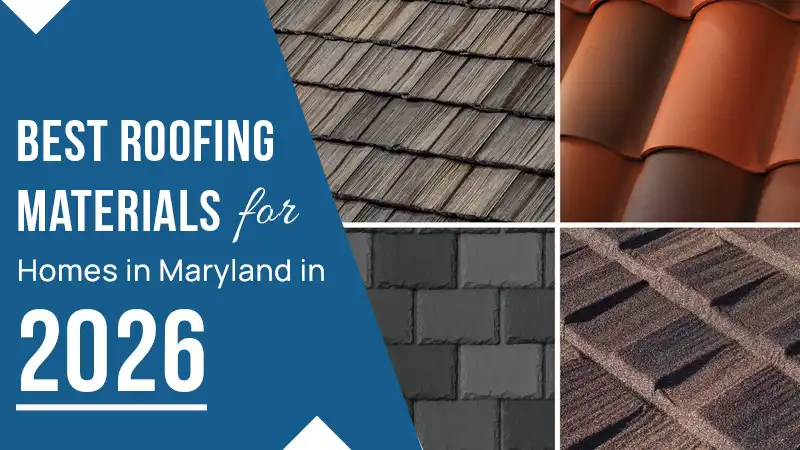
Architectural shingles are everywhere in Glen Burnie, and that’s not a surprise. They look good, they last 20 to 30 years, and they don’t break the bank. They’re easy to repair, easy for insurance to handle, and come in lots of style options. Perfect for a solid, practical roof that doesn’t scream “luxury” but still does its job.
Pros:.
- Affordable replacement
- Lots of colors and styles
- Repairs are simple
- Insurance-friendly
Cons:
- Shorter lifespan than metal or slate
- Can show algae in shaded areas
- May need replacement after major storms
Metal Roofing
Metal roofs are for homeowners who think long term. 40 to 70 years of life, snow slides right off, and they reflect heat in summer. The downside? They can be pricey upfront. However, many Marylanders see them as an investment that’s worth it due to their low maintenance and strength.
Pros:
- Long-lasting, low-maintenance
- Handles snow and hail well
- Energy efficient
- Very durable
Cons:
- Higher initial cost
- Repairs need specialists
- Can be noisy in rain if not insulated
Slate Roofing
Slate is a classic that lasts 75 years plus in many cases. It’s beautiful, fire-resistant, weatherproof, and heavy. Not every home can take it without extra support. Installation and repair are specialized and can be expensive. Still, it’s a showstopper if your budget allows.
Pros:
- Extremely long-lasting
- Elegant, timeless look
- Fire and weather resistant
Cons:
- Very expensive
- Heavy, may need structural support
- Repairs require specialists
Composite and Impact-Resistant Roofing
Composite shingles are a modern twist that mimics natural looks but handles storms better. They’re lightweight, strong, and hail-resistant. As a result of their strength, insurance companies like them. For homeowners who want protection without the cost or weight of slate, going composite is a smart choice.
Pros:
- Strong against hail and debris
- Lightweight
- Looks good, durable
Cons:
- More expensive than asphalt
- Installation options limited
Roofing Material Comparison in 2026
Side-by-side comparisons make it easier to see what works and what doesn’t. Whether it’s costs, durability, or storm protection, these details matter when it comes to your home’s coverage.
| Material | Lifespan | Cost | Storm Resistance | Energy Efficiency | Maintenance |
|---|---|---|---|---|---|
| Asphalt | 20 to 30 yrs | $ | Medium | Medium | Medium |
| Metal | 40 to 70 yrs | $$$ | High | High | Low |
| Slate | 75 to yrs | $$$$ | High | Medium | Low |
| Composite | 30 to 50 yrs | $$ to $$$ | Very High | Medium | Low |
Roof Replacement Cost in Maryland
The cost of roof replacement in Maryland isn’t fixed. Material, size, pitch, and hidden damage all play a role in how much you can expect to pay. However, roof replacement in Glen Burnie, MD, is easier to budget for if you understand the factors that influence the cost:
- Material choice: Premium roofs cost more, but last longer.
- Roof size: Bigger roof = more material, more labor.
- Pitch: Steep roofs require extra safety measures, adding cost.
- Underlayment: Better layers help protect against leaks, but cost more.
- Storm damage: Unexpected damage adds to the total.
- Insurance involvement: Coverage helps, but varies by material.
How to Choose the Right Roofing Material for Your Glen Burnie Home?
Picking a roof is about durability, storms, energy, budget, and rules. Maryland weather can be brutal, so it’s worth taking a minute to think through priorities to find a material that best suits your home. Still having trouble deciding? Base your choice on:
- Budget
- Lifespan
- Storm exposure
- Energy savings
- HOA rules
Want to talk to a local contractor like House Transformers Inc to weigh options and figure out what fits your home? Contact our experts at (410) 508-8110 for a FREE consultation and inspection.