Most people don’t plan on learning about water damage restoration. It usually starts with a surprise, a leak that won’t stop, water where it shouldn’t be, or a flood that leaves the house quiet in a way that doesn’t feel right.
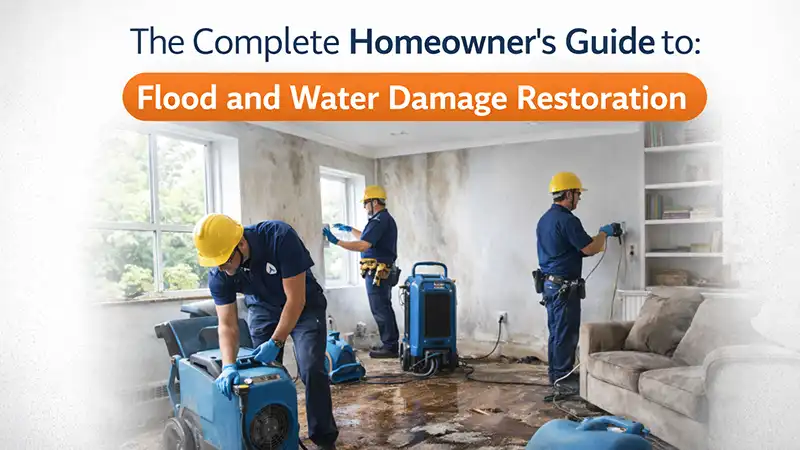
Flood and water damage restoration is the process that follows. It involves stopping the spread of water, drying what’s soaked, and repairing what water quietly damages when it sits too long. Cleanup is part of it, but it’s not the whole story.
At House Transformers Inc, we provide water damage cleanup services and full restoration because surface drying alone often leaves problems behind. This guide explains what actually matters, what doesn’t, and when it’s time to stop guessing.
Key Highlights
- Water rarely stays where it first appears.
- Flood damage is not treated the same as a leak.
- The first 24 hours set the tone for everything that follows.
- Proper drying requires more than just time and airflow.
- DIY cleanup often seems complete when it isn’t.
- Repair costs depend on how much water is absorbed.
- Early intervention usually minimizes overall damage and repairs.
Water Damage vs. Flood Damage: What’s the Difference?
They sound similar. They don’t behave the same. The source of the water changes what can be saved and what can’t. How do they differ from one another? Below, we break it down:
Water Damage
This usually comes from inside the home. Pipes fail. Appliances leak. Roofs let water in. The water may start out clean, but once it moves through flooring or walls, it can cause damage quickly.
Flood Damage
Flood damage starts outside. Heavy rain, runoff, or rising water pushes its way in. That water carries debris and contaminants, which changes how the cleanup must be handled.
Why the Difference Matters?
Flood-damaged materials often can’t be dried safely. In cases of water damage, faster action can sometimes save more of the structure.
What to Do After Water or Flood Damage?
The first 24 hours are usually messy. Not just physically, but mentally. People want to clean. Or tear things out. Or wait and see. None of those are automatically right. Start with safety. If water is near outlets or ceilings that look unstable, stay out. If you can stop the source, do it. Take photos before moving too much. Try not to rip materials out just to feel productive. Water keeps spreading even when it looks still. Waiting a few days often turns a smaller problem into a larger one.
If water or flooding has affected your home, calling House Transformers early can save time, cost, and stress later.
Our Professional Restoration Process
Restoration isn’t rushed when it’s done correctly. There’s an order to it, and each step supports the next. This is the process we take with every project we take on:
1. Inspection and Moisture Testing
We look beyond what’s visible and check where moisture tends to hide.
2. Water Extraction
Standing water is removed to reduce the amount that gets absorbed.
3. Drying and Dehumidification
Drying equipment is placed intentionally and adjusted as conditions change.
4. Cleaning and Sanitizing
Residue, bacteria, and odor sources are addressed before they settle in.
5. Mold Prevention
Moisture is controlled to prevent mold from getting a head start.
6. Repairs and Reconstruction
Once the home is dry and stable, repairs move forward without setbacks.
How Long Does Water Damage Restoration Take?
There’s no universal answer here. The time depends on the amount of water, how far the water traveled, and how long it sat. Flood damage restoration companies like House Transformers will provide you with a clear timeline on what to expect.
- Minor Damage (1-2 Days): Small leaks caught early, limited spread.
- Moderate Damage (3-5 Days): Water reached walls, floors, or more than one room.
- Severe Damage (1-3 Weeks): Flooding, deep saturation, or delayed response situations.
How Much Does Flood and Water Damage Restoration Cost?
Water damage restoration costs can vary widely because water doesn’t behave predictably once it enters a home. Inevitably, it will hinge on:
- Severity: The more saturated the materials are, the more work is involved.
- Size: Larger affected areas take longer to dry and restore.
- Materials Affected: Drywall, hardwood, insulation, and finishes all react differently.
- Insurance Coverage: Coverage depends on how the damage happened and your policy details.
Why DIY Cleanup Leads to Bigger Problems?
Most DIY cleanup focuses on what’s visible. That’s usually not enough. Moisture has a way of working under your nose, and without the right equipment and knowledge, you might just allow it to do more damage than if you had called the pros.
This is because of:
- Hidden Moisture: Water moves into places fans can’t reach.
- Mold Risk: Moisture left behind creates the right conditions for growth.
- Structural Damage: Framing and subfloors weaken when they stay wet.
- Health Risks: Contaminants and mold affect indoor air quality over time.
When Should You Call a Restoration Company?
If the situation feels unclear, that’s usually the signal.
- Water reached the drywall or insulation.
- Standing water won’t fully clear.
- Floodwater entered the home.
- Odors linger after drying.
- You’re unsure what’s actually damaged.
Restore Your Home with House Transformers
Water damage doesn’t sort itself out. It either gets handled, or it spreads. House Transformers Inc focuses on steady work, clear explanations, and doing things in the right order. From cleanup through repairs, we help homeowners get back to normal without guessing. We’re available 24/7 for emergency water and flood damage situations, so you’re never left waiting when it matters most.
Call today at (410) 508-8110 to start flood or water damage restoration the right way.