If you are planning a roof replacement in Anne Arundel County, the permit question comes up early, and the honest answer is that it depends on the scope of the work, not just on the fact that a roof is involved. Here is what generally determines whether your project needs a permit, and where to confirm it for your specific address.
When a Permit Is Generally Required
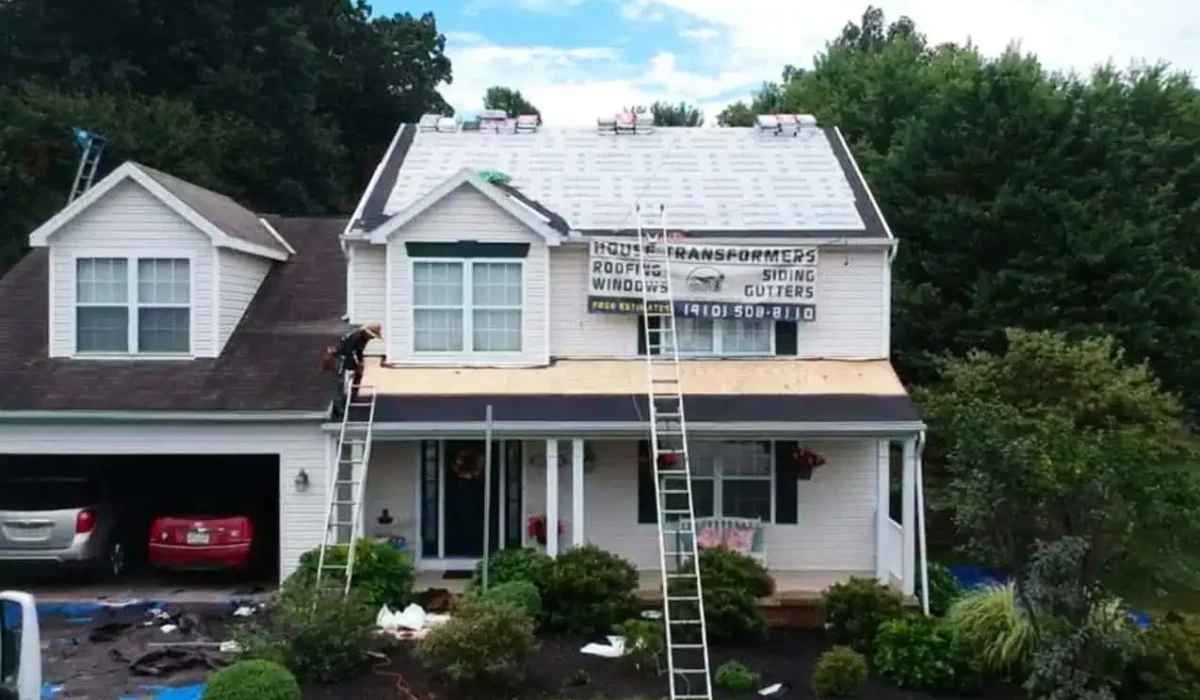
A full roof replacement, meaning tearing off the existing roofing material down to the decking and installing a new roof system, generally requires a permit in Anne Arundel County. Any work that touches the structural plywood decking itself, not just the surface shingles, is treated as structural work and falls under permit requirements. The county’s Department of Inspections and Permits maintains a “Do I need a permit” tool on its website specifically because the answer depends on project details that vary house to house.
Where the Answer Gets Less Clear
Some sources describe a narrower exception for projects that only remove an outer layer of shingles without touching the decking underneath, but this is not something we found confirmed directly on the county’s own published guidance, so we are not presenting it as a guarantee here. Roofing scope that looks simple from the outside, for example a project described as “just reshingling,” can still trigger a permit requirement once a contractor is actually on the roof and finds decking that needs to be addressed. The safest approach is to confirm with the county directly for your specific project rather than assume based on how the job was described over the phone.
Why This Matters Beyond the County
A permitted, inspected roof replacement is not just a legal formality. It creates a documented record that the work meets current code, which matters if you ever file an insurance claim related to roof damage, and it matters again when you sell the home, since missing permits on major work can complicate a sale or an appraisal. Skipping the permit to save time or a fee is rarely worth the risk it introduces later.
What the Permit Process Generally Looks Like
Generally, the process involves confirming permit requirements for the specific project, submitting the required documentation, which can include contractor licensing information and proof of insurance, paying the applicable permit fee, and scheduling any required inspections during or after the work. Anne Arundel County has moved toward an online submission system for most new permit applications, so the process is largely digital rather than in person paperwork.
Who Handles the Permit
A licensed contractor can typically pull the permit on your behalf as part of the project, which is the more common path for most homeowners. Homeowners can also pull their own permit in most Maryland counties, though doing so shifts the responsibility for code compliance and scheduling inspections onto the homeowner directly. House Transformers handles the permit application as a standard part of the roofing process, so this is not something you have to manage separately.
Frequently Asked Questions
Small, localized shingle repairs are generally treated differently from a full roof replacement, but the exact threshold depends on the scope of work. Confirm with the county or with your contractor for your specific situation.
This depends on the scope and value of the project as determined by the county’s fee schedule. We do not publish a generic estimate since it should always be confirmed against the county’s current schedule at the time of your project.
Typically the homeowner is ultimately responsible for the property being in code compliance, which is one reason it matters to work with a contractor who handles permitting properly rather than skipping it.
Yes, this is part of what a proper inspection and scope review covers before work begins.
Ready to Start? A Free Inspection Comes First
Before any permit conversation, a proper inspection tells us what your roof actually needs. House Transformers offers free inspections across Maryland and Central Florida. Se habla español.
(410) 508-8110 — Call Today